
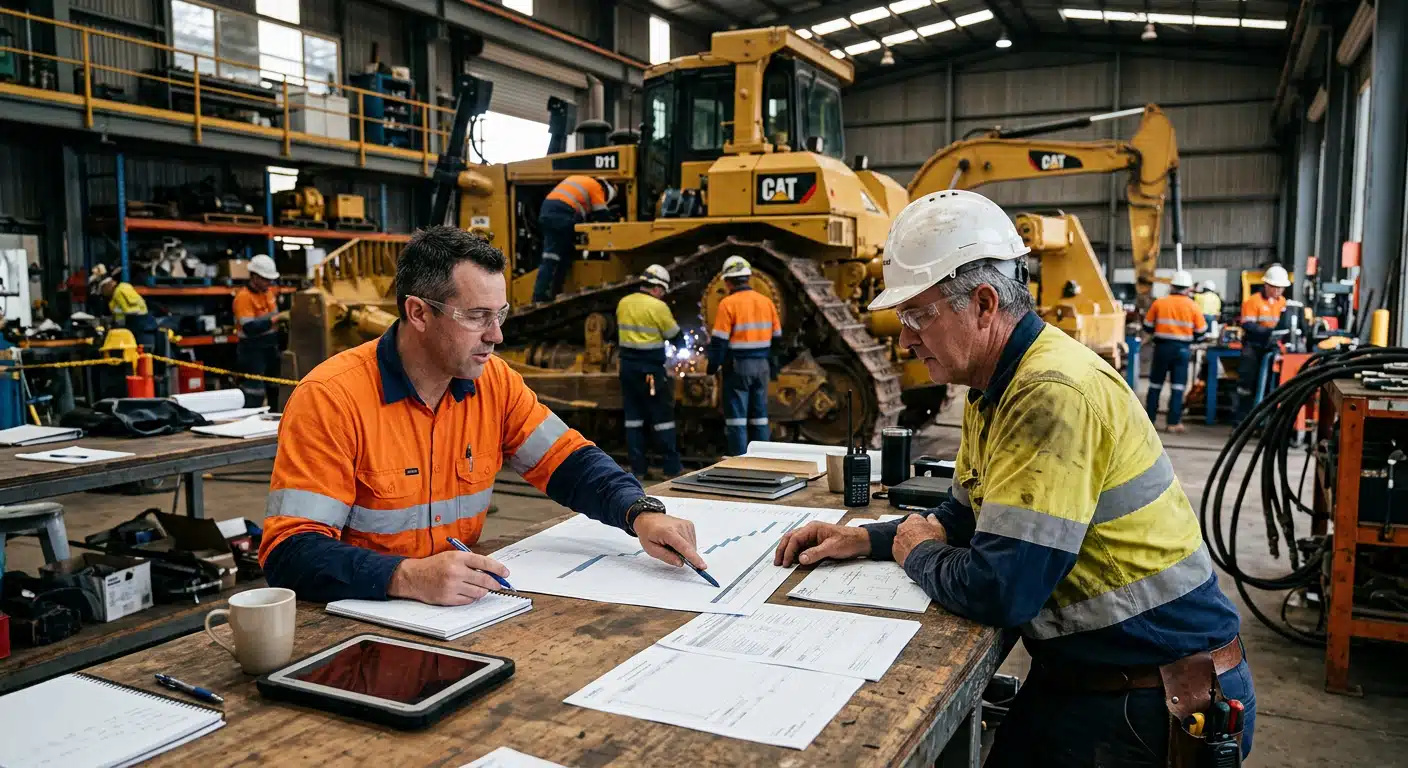
Remote mining and regional projects depend on fast mobilisation, but speed alone is not enough. FIFO and DIDO labour hire must balance rapid deployment with technical readiness, site records, and correct task matching to check crews are able to perform safely from the moment they arrive on site.
Effective mobilisation is not just about moving people quickly, it is about preparing the right crew, with the right skills, documentation, and tools, for the specific conditions of the work environment.
FIFO DIDO Labour Hire Needs a Mobilisation System
FIFO DIDO labour hire should follow a defined mobilisation process. The process should cover task scope, crew skills, travel and site requirements.
In practice, the engineering team provides labour hire for technical personnel. That support can suit remote crew mobilisation when the scope is clear.
Fast mobilisation is only useful when people arrive ready to work. Speed without preparation can create site delays.
Remote Crew Mobilisation Starts Before Travel
FIFO and DIDO crews are mobilised against a known task list.
In practice, remote crew mobilisation begins with information. The crew needs the asset type, work pack, tooling list and access requirements.
On-site services include field installation, commissioning and maintenance. That field context supports better preparation.
Travel should be the final step, not the planning stage. The technical details need attention before tickets are booked.
Regional Site Work Needs Flexible Resourcing
Remote crew deployment starts only after access, tools and the work pack are clear.
Regional projects often change because parts, weather, access or production windows shift. Labour planning should allow for that reality.
A flexible partner can adjust crew mix when the work changes. It can also identify when the task needs design input or workshop preparation.
Remote site work is easier when escalation paths are clear before mobilisation.
Electrical and Mechanical Tasks Need Different Readiness Checks
A Perth mobilisation base can stage that travel. It is not the Forrestdale workshop.
Auto electrical work may need schematics, harness details and isolation steps. HD mechanical work may need lifting plans and equipment access.
System design can support integrated planning where systems overlap. This helps crews avoid conflicting assumptions.
A strong mobilisation process separates these requirements while keeping the overall job coordinated.
The Engineering Team Supports Remote Work From a Practical Base
Engineered Installations Group supports heavy vehicle, mining and industrial applications across Australia. Its service mix helps connect labour with technical support.
Metro services can also support preparation, checks and post-installation maintenance. That helps remote crews work from a stronger base.
Rapid mobilisation works best when the preparation is calm, specific and evidence-led.
Speed Should Not Remove Control
In practice, remote crew mobilisation often becomes urgent. That urgency should not remove checks around task fit, safety records and travel requirements.
A rushed mobilisation can create hidden delays. The crew may arrive quickly but still wait for access, tooling or missing information.
Parts that have to fly or drive with the crew are remote travel kits, not a loose spare box.
Good planning separates urgent from uncontrolled. It allows fast action while keeping records, logistics and technical scope visible.
For regional work, this discipline is especially important. Travel time and site distance make simple corrections harder.
Matching the Crew to Remote Site Conditions
Remote site work can involve different conditions from metro support. Dust, heat, isolation and production pressure can all affect the task.
Engineered Installations Group can stage that FIFO or DIDO travel from the Forrestdale or Paget workshop.
The crew should understand what environment they are entering. They should also know what support is available if the job changes.
A mobilisation plan should include travel, accommodation, reporting and work pack details. It should also confirm who approves task changes.
That structure helps FIFO and DIDO crews work safely. It also helps the client track progress during short work windows.
Communication During Remote Mobilisation
In practice, remote crew mobilisation needs simple communication rules. The crew should know who controls scope, who receives updates and who approves changes.
This is important when site access is limited. A small decision can affect travel, parts, accommodation and equipment availability.
Daily updates do not need to be complex. They should show progress, constraints and any decision needed from the client.
Auto electrical work on that remote job is remote electrical trades, named before travel.
That rhythm helps remote work stay visible without slowing the crew. It also gives project managers earlier warning of blockers.
Preparing Tools and Parts Before Travel
Tools and parts should be checked before FIFO or DIDO travel begins. Missing equipment can turn a remote job into a second mobilisation.
What the remote crew is booked to do should be read as a remote scope list before departure.
The work pack should list critical tooling and consumables. It should also identify which items are supplied by the client or crew.
For regional work, these details are practical rather than administrative. Distance makes small omissions expensive and frustrating.
Reducing Second Mobilisation Risk
Second mobilisation is a common remote work cost. It often happens because a small detail was missed before travel.
That detail may be a connector, tool, drawing, permit or equipment access constraint. Each item looks minor until the crew is already on site.
A strong mobilisation process catches these issues early. It gives remote crews a better chance of completing work in one visit.
It also helps supervisors brief the crew before arrival. That improves safety, time control and confidence during remote site work.
The same file should include contact details, access notes and backup equipment options.



Leave A Comment